Here is a new weekly section that we will be posting every Sunday at around Midnight GMT. If you were to busy to keep up on the latest happenings in tech this week, then we will keep you all up to date in one post.
- Fujitsu Flexbook Teases With a Bendy Screen Future – Tested.com
- Playstation Network Goes Back Online – Playstation Blog
- Bing Adds Facebook Recommendations to Search – AdAge
- iPhone 5G shows edge to edge screen and Flash has been moved – Electronista
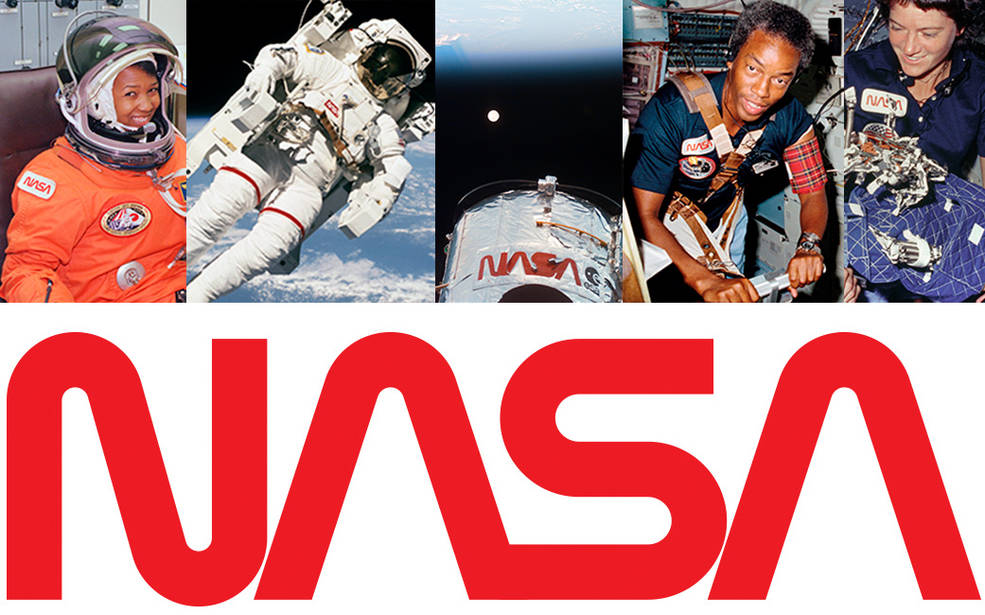
- 7 Cool iPhone and iPad Space Apps from NASA – Makeuseof

When you read, you place the text that you are reading directly in front of your eyes. As you age and your eyesight declines, you can begin to wear bifocals or progressive lens eyeglasses in order to see the item more clearly in front of your face. But what if you were an astronaut who was challenged with reading material above your head thanks to the lack of gravity in your temporary home? Those same types of glasses won’t work as well for you. NASA hopes to solve this problem by testing out new adjustable eyeglasses called TruFocals that may be useful for astronauts with deteriorating vision.
TruFocals
TruFocals are adjustable glasses that combine two different types of lenses that are attached to one another magnetically. The first is a set of round traditional lenses in the wearer’s regular eyeglass prescription strength. The second is a flexible set of lenses that can change shape as needed to change the wearer’s focus for reading close-up materials. The flexible lenses are located on the inner portion of the glasses. They contain a shape-changing pouch that holds liquid silicon oil. To adjust the shape of the glasses, all that you need to do is press a slider bar located on the bridge of the eyeglass frame. This action pushes the fluid out around the pouch and creates the right shape for better vision. These glasses are already being sold in the commercial market.
How TruFocals Help NASA Astronauts
NASA astronauts may be able to benefit from these glasses for a number of reasons:
* It will be easier to read materials that are not placed directly in front of the astronaut’s line of vision.
* It will eliminate the need to switch between reading glasses and far-sighted vision glasses. This is important because switching glasses can be difficult in a space that lacks gravity.
* The glasses provide crystal clear vision in small spaces for people whose eyesight is deteriorating naturally due to age. This is especially important for astronauts who may have additional eye problems due to the microgravity in space (according to Scientific American).
Additional Testing Required
Initial tests by astronauts have been positive but NASA needs to test these glasses further to determine if they will work properly in space. The main concerns are issues of safety and durability. There doesn’t seem to be a question of whether or not the glasses will work. The technology mimics the natural changes that take place in the eyes with age. It works. The problem is that the glasses need to be tested to make sure that they can safely work in the unique conditions of a spacecraft.
Guest post by: Sara Roberts is a content contributor for Just Eyewear, an eyeglasses and prescription sunglasses retailer.
In May of last year, Twitter history was made when Astro_Mike (or Mike Massimino – an American astronaut) made the first ever tweet from space after the launch of the Atlantis space shuttle. It read “From orbit: Launch was awesome!! I am feeling great, working hard, & enjoying the magnificent views, the adventure of a lifetime has begun!”.
History has once again been made when the first ever tweet from the International Space Station made it onto Twitter a few days ago, made by TJ Creamer.
“Hello Twitterverse! We r now LIVE tweeting from the International Space Station — the 1st live tweet from Space!
More soon, send your ?s”
This tweeting from space seems to be getting very popular. There are now quite a few astronauts tweeting from space. Some have hundreds of thousands of followers accumulated in just a few days So here are a few of the best ‘out-of-this-world- tweeters at the minute. I’ll add to this list as more space explorers come into the ‘Twitterverse’
@Astro_Tj – TJ Creamer, NASA
@Astro_Soichi – Soichi, CNSA
@Astro_Mike – Mike Massimino, NASA
@Astro_127 – Mark Polansky, NASA
@Astro_Naoko – Naoko Yamazaki, CNSA
Sixty years ago a fuzzy image of two guy names Neil and Buzz crackled onto TVs around the world with the famous line “One small step for man. One giant leap for mankind”. Every television station seems to be going berserk showing anything remotely related to the event such as nostalgic summaries, conspiracy theories, sci-fi, interviews and documentaries. Here on Crenk however, we like to give you stuff that’s worth your time. Have you ever wondered just what the Russians and the Americans and everyone else in the International Space Station gets up to? Well now you can watch it all live.
NASA TV have set up streaming cameras in the space station that run continuously, streaming it all back down to earth onto your screen. I watched it for a few moments as a NASA technician repaired the US toilet. Apparently, it stopped working and the US astronauts had to ask the Russians if they could use their toilet. Good thing they said ‘yes’ too.
The video and sound quality are superb, keeping in mind that their being streamed from space. There is also a running commentary telling you what each astronaut is up to and why he/she is doing that. They also alternate to different positions around the Space Stations. For example, I seen a Russian chowing down on some space food, an American fixing a loo and two Canadians floating around talking to someone at home about their day.
If you’re into all that space stuff then this is worth a go. You can also get an app for Windows Sidebar in Vista that streams it onto your desk top. NASA TV is also worth a peek if you just want to see where your tax dollars end up. To have a look, click here. 7/10